
This post is all about when do chickens start laying eggs?
As a new chicken keeper, you’re likely bubbling with anticipation as you wait for your feathered friends to start laying eggs. There’s something truly magical about that first egg—it’s the tangible reward for your patience and care. But when can you expect your chickens to begin this exciting milestone?
Understanding the timeline for egg production is key to managing your flock and celebrating those early successes.
In this post, we’ll explore the factors that influence when hens start laying, and offer tips to ensure you’re prepared for that joyous moment when you finally find that first egg in the coop.
Get ready to experience the thrill of chicken farming and the satisfaction of your hens’ productive achievements!
When Do Chickens Start Laying Eggs?
Chickens typically begin laying eggs when they reach sexual maturity, which usually happens between 5 to 6 months of age. However, this can vary depending on the breed, individual genetics, and overall health of the bird.
Several factors can influence when your chickens will start laying.
Breed: For instance, standard laying breeds like the White Leghorn might start producing eggs a bit earlier, around 18 to 20 weeks, while some slower-maturing breeds could take up to 7 months or longer. This variation is perfectly normal and part of the exciting journey of chicken keeping.
Nutrition: Nutrition plays a crucial role; a well-balanced diet rich in protein and calcium supports healthy reproductive development.
Exposure To Light: Additionally, exposure to light affects egg production—chickens generally need around 14 to 16 hours of light each day to maintain consistent laying. Seasonal changes, such as shorter daylight hours in winter, can also impact when your hens start laying and their frequency of egg production.
By understanding these factors and providing optimal care, you can help ensure a smoother transition into egg-laying and enjoy the rewarding experience of collecting those first eggs.
Signs of Maturity
As your hens approach egg-laying age, they undergo several noticeable physical and behavioral changes that signal their readiness to start producing eggs.
One of the most obvious physical signs is the development of larger, more rounded and reddened combs and wattles. These features, located on their heads and necks, become more vibrant in color and more pronounced as a hen nears sexual maturity. This change is driven by increased blood flow and hormonal activity, preparing their bodies for egg production.
Behaviorally, hens nearing maturity often display a heightened level of activity and curiosity. You may notice them scratching and pecking more vigorously as they explore their environment. This increase in activity is part of their instinctual drive to establish and prepare a suitable nesting area. Additionally, hens may start to exhibit “nesting” behaviors, such as attempting to gather and arrange bedding materials or spending more time in quiet, secluded areas. These behaviors are precursors to laying, as hens instinctively seek out safe and comfortable spots for their eggs.
PRO TIP: When your chickens are getting close to reaching laying age, prepare their nesting boxes. Place fake eggs in the nesting boxes to show them that’s where they should go to lay their eggs. When they are close to laying their first egg, you’ll likely see them exploring these nesting boxes A LOT!
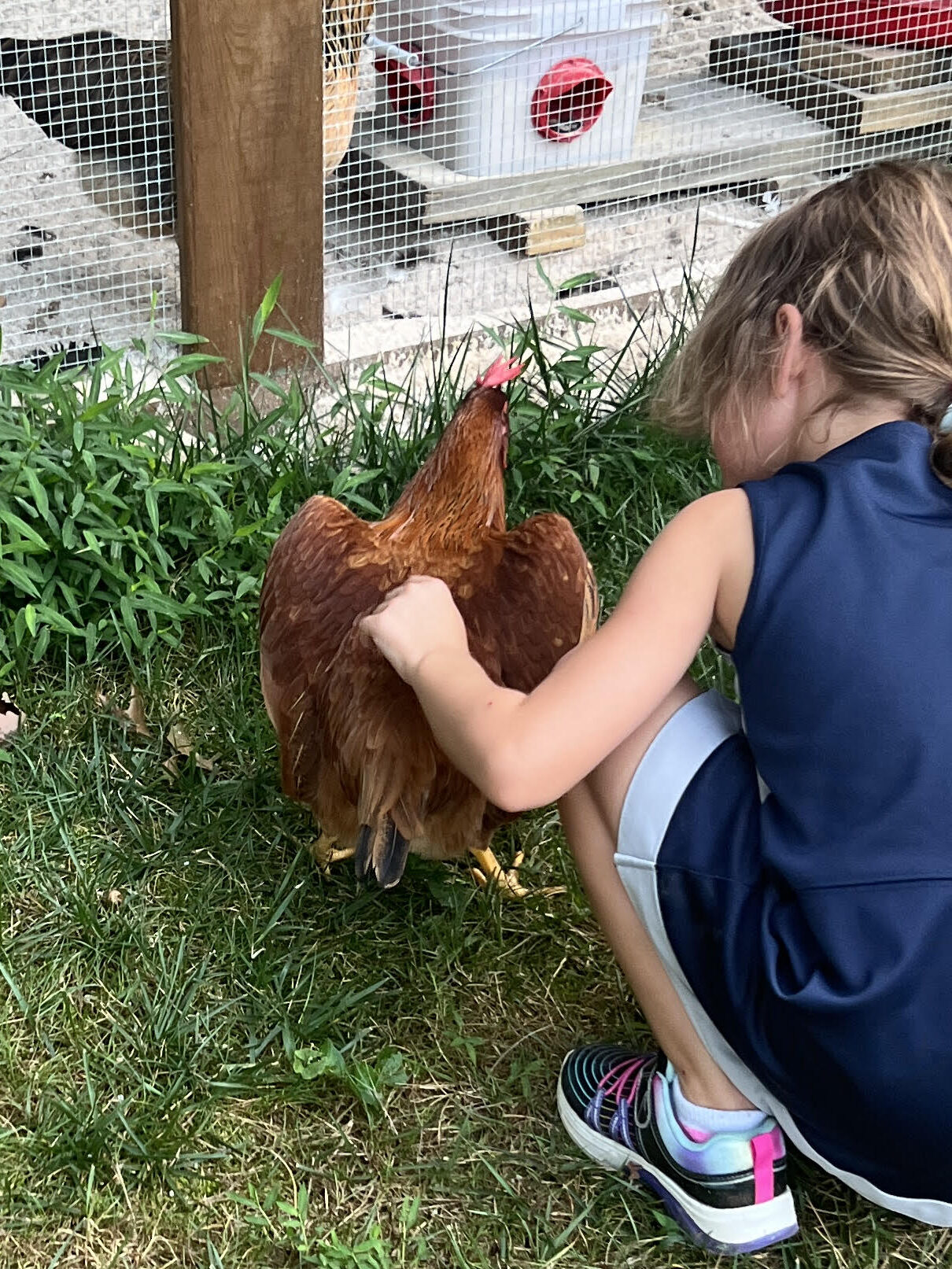
Another sign of impending egg production is the onset of “squatting” behavior. When you approach, mature hens might lower their bodies and spread their wings slightly—a submissive posture that is often a response to the presence of a rooster or a prelude to laying.
This behavior signals that the hen is nearing the time when she will begin laying eggs, and is an important indicator for poultry keepers to observe. By paying attention to these signs, you can better anticipate when your hens will start their egg-laying journey and make any necessary preparations to support their new role.
Preparing for Egg Laying
Nest Boxes: Importance and Setup
Importance: Nest boxes are crucial for encouraging hens to lay eggs in a designated area. Without proper nest boxes, chickens might lay eggs in unwanted places, leading to a mess and potential egg breakage.
Setting Up:
- Size and Quantity: Each nest box should be about 12 inches square. You should provide one nest box for every 3-4 hens.
- Location: Place the nest boxes in a quiet, dark, and low-traffic area of the coop to give hens a sense of security.
- Bedding: Get some nesting pads. I use these nesting pads in my nesting boxes, and change them out every few weeks, as needed. Using replaceable nesting pads ensures your nesting boxes are always nice and clean.
- Height: Position the boxes about 18-24 inches off the ground to keep them clean and accessible.
No products found.
Feeding: Supporting Egg Production
Balanced Diet:
- Layer Feed: Transition to a layer feed, which is higher in calcium and protein, essential for egg production and shell formation.
- Supplemental Calcium: Provide crushed oyster shells or calcium supplements to ensure strong eggshells. (Note: This should only be provided to hens that have reached laying age, and are showing signs of laying soon.)
- Fresh Water: Ensure your hens have constant access to clean, fresh water as it is vital for overall health and egg production.
- Varied Diet: Occasionally supplement with greens, fruits, and vegetable scraps for added nutrients and enrichment. (Check out this post on 10 Herbs To Add To Your Chicken’s Feed!)
Health Checks: Ensuring Good Health
Routine Health Checks:
- Check for Parasites: Regularly inspect chickens for signs of mites, lice, or worms. Use appropriate treatments if needed. (This PREMO POULTRY SPRAY is a popular choice for both prevention and treatment.)
- Monitor Weight and Behavior: Ensure your chickens are maintaining a healthy weight and exhibiting normal behavior. Sudden changes can indicate health issues.
- Vaccinations: Keep up with vaccinations and deworming schedules to prevent diseases that could impact egg production.
Delayed Laying: Common Issues and Solutions
Reasons for Delayed Laying:
- Age: Hens typically start laying between 5-6 months of age, though some breeds may start later.
- Season: Day length can impact laying; hens may lay less in the winter months.
- Stress: Changes in environment, poor diet, or harassment from other chickens can delay egg laying.
Solutions For Delayed Laying:
- Ensure Proper Nutrition: Make sure hens are on a high-quality layer feed.
- Maintain a Stable Environment: Minimize stress by keeping the coop clean and providing adequate shelter.
- Light Management: Consider using artificial lighting in the coop during shorter daylight months to stimulate egg production.
Egg Production Problems: Common Issues and Solutions
Soft-Shelled Eggs:
- Cause: Often due to calcium deficiency.
- Solution: Provide a calcium supplement and ensure the hens have access to layer feed.
Egg Binding:
- Cause: An egg gets stuck in the hen’s reproductive tract.
- Solution: Ensure your hens are healthy and not overweight, provide a balanced diet, and consult a vet if egg binding persists.
Remember, every flock is unique, and it might take some time to get everything just right. Stay patient and observant, and make adjustments as needed.
Final Tip: Engage with your flock regularly and observe their behavior and laying patterns. They are your best indicators of their health and well-being.
Now that we’ve answered the infamous question…when do chickens start laying eggs? – Keep an eye out for those signs that your hen may be laying soon, and get those nesting boxes set up!
Top Selling Nesting Boxes For Chickens
No products found.
More To Love

15 Thoughtful Gifts For Gardeners To Grab Now
This post is all about gifts for gardeners. Best Gifts For Gardeners If you’re looking…

8 Best Companion Plants For Green Beans For Big Harvests
This post is all about companion plants for green beans. If you’re growing green beans…

The Best Companion Plants for Tomatoes (And What to Avoid)
This post is all about best companion plants for tomatoes. Best Companion Plants For Tomatoes…

10 Herbs To Plant Around Your Chicken Coop – & Why!
This post is all about what herbs to plant around your chicken coop. Best Herbs…

How To Keep Chickens Cool In The Summer Heat – 10 Game Changing Hacks
This post is all about how to keep chickens cool in the summer. Ways To…

10 Best Predator Proof Chicken Coop Essentials
This post is all about predator proof chicken coop essentials. Predator Proof Chicken Coop Essentials…

What You’ll Find Here
Are you eager to embrace the homesteading lifestyle, but worried about not having enough land? Fear not, for you don’t need vast acres to become a mini homesteader. With a little creativity and effort, you can transform your backyard into a thriving homestead, complete with chickens and a garden. Imagine the satisfaction of growing your own food and using it to whip up delicious, healthy meals. And if you’re ready to take the plunge and raise backyard chickens, you’ve come to the right place. This is where we’ll guide you through the world of modern homesteading.